

The Unraveling Prophecy
The gods have spoken through the oracle, but is this a prophecy of rejoice or ruin?
Oracle, an innovative multinational corporation, is one of the behemoths in the tech industry. They help businesses manage data and improve the efficiency of their operations.
Now why are they all rage right now and why does everyone want to jump into this elevator that only seems to be going up?
Well, this past week seems to be an early Christmas for the Oracle family, apart from their F1 team, Redbull Racing team securing a victory in the Italian Grand Prix, they also announced multiple multi-billion-dollar deals with significant AI developers for their cloud infrastructure, making them a crucial player in the “AI Race”.
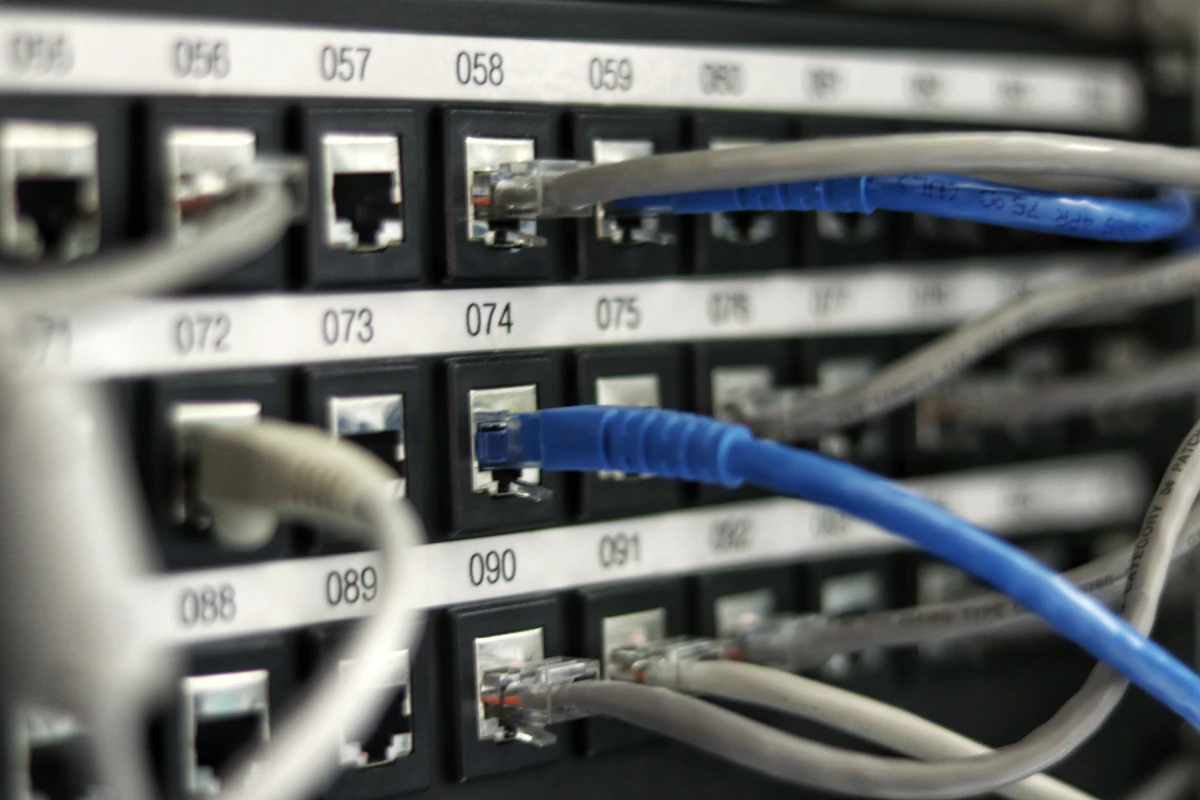
Oracle’s multi-billion dollar pivot: Supercomputing infrastructure and multi-year cloud compute deals.
The Financial High Wire
The chairman, Larry Ellison, didn’t just secure his future, but also that of his company and his team. Along with the deals like the 5 year 300 billion dollar deal with OpenAI announced and deals with Nvidia and Meta that has cemented its position in the AI Industry, Oracle has also revealed its growing Remaining Performance Obligations (RPOs) that will act as a lode and will boost the investors security and confidence with the assurance that this boost is not just a temporary power-up but one of long-term returns.
However, to fulfill these huge deals, Oracle must invest heavily in its data centers, and this expense creates a strain on the company to find financial resources. Failure could lead to breaches in contracts, and losing a few of the mega deals might impact the company’s growth, revenue, and future.
To gain more capital, Oracle might push its cash flow in negative margins, and the company might suffer a few poor quarters before recovering, or they might issue more debentures to gain more creditors, or the board could take a call to dilute the market with more shares. With the sudden market surge, Oracle enjoys a strong position to issue more shares, however they need to be strategic in their decision as the public may perceive the issuance as a lack of confidence of the firm’s ability to finance its growth through the other channels and they could also get a negative reaction from existing shareholders due to the dilution of their share of ownership and EPS (Earnings per Share).
Public Impact & The “AI Bubble”
What does this mean to the public, and how are we affected?
Well, for the retail investors, Oracle’s success is bound to have a ripple effect in the stock market, especially in the AI sector. NVIDIA’s stock rose around 3% in the following days immediately after the Oracle news was announced.
However, investors need to be aware that the rise relies on future revenue and not on current revenue, and this hype relies on the expectations that AI is capable of achieving expectations.
This hype and inflating expectations has formed a delicate situation which the CEO of OpenAI, Sam Altman, termed as the “AI Bubble”. This is of course, in reference to the “dot com bubble” in 1995, which led to the dot com crash on March 10, 2000. So this begs the question: could the hype of AI lead to another crash in the stock market?

Labor & Global Shift
In the case of production and employment, this massive undertaking creates demand for IT labour for which they will mostly turn their gaze to their Indian partners like Infosys, Wipro, and TCS. This need is bound to create jobs for skilled labour.
However, this development, driven by the automation of tasks through AI, creates a significant challenge for the workforce. The risk of employee displacement and layoffs looms, particularly for those in roles that involve repetitive or routine functions.
A Wolf in Sheep’s Clothing
Hence, one could also say that this development will act as a catalyst for the widening gap of talent, and this AI offloading could lead to technological unemployment for many.
As for the world, if the promise of “AI being a boost of productivity” is achieved, this could lead to increased efficiency and effectiveness in all industries and an increase in economic growth, and could add trillions in the Global GDP.
However, this “boost” is a wolf in sheep’s clothing, as this deal further escalated the influence and power with only a few large corporations. This concentration of wealth and power makes it harder for new entrants into the AI market, which could mean the future of development may lie in the hands of a Tech Illuminati.
Therefore, a democratization of AI must be the next step for Governments or maybe even the establishment of a new legislation to regulate AI and deal with concerns of data privacy and censorship, such as the European Union’s AI Act.
“The public good is in nothing more essentially interested, than in the protection of every individual’s private rights.”
— William Blackstone